
Serbia's foreign-exchange reserves experienced a significant decline in September, reflecting increased demand for foreign currency.
- Reserves dropped by €946.2 million to €29.86 billion.
- Higher energy import costs increased demand for euros.
- Government debt repayments and gold valuation losses contributed to the decline.
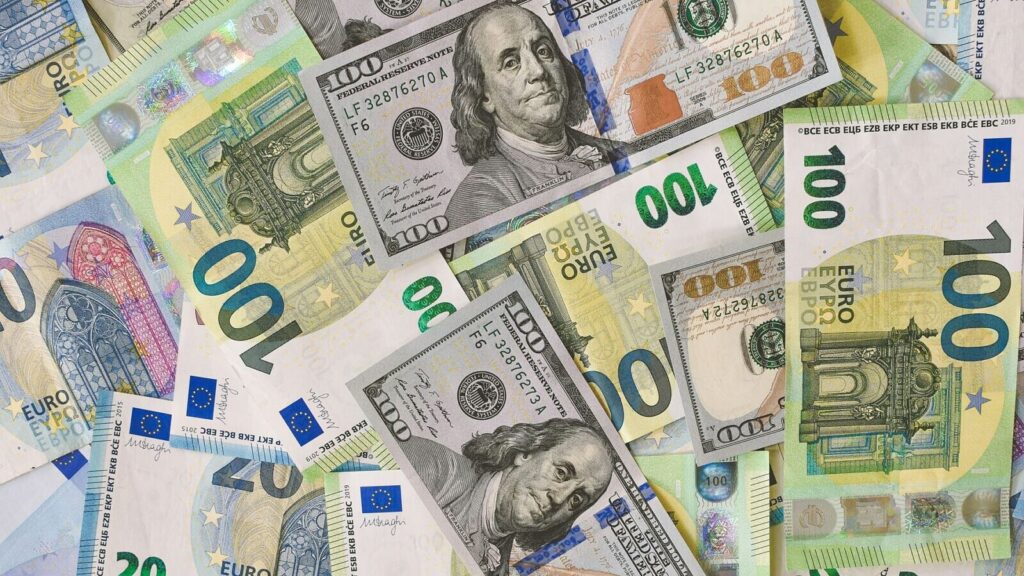
Serbia’s foreign-exchange reserves fell by almost €1 billion in September, as higher energy-import costs increased demand for foreign currency and the National Bank of Serbia (NBS) stepped in to support the dinar.
According to the central bank, gross reserves dropped by €946.2 million to €29.86 billion at the end of the month, down from a record €30.81 billion in August. The decline reflects government debt repayments in foreign currency, market intervention and weaker valuation of reserve assets, especially gold.
Energy imports pushed up demand for euros
The NBS said it sold a net €380 million on the domestic foreign-exchange market in September, mainly because energy importers needed more foreign currency to buy oil and other commodities at higher global prices.
The central bank linked the pressure to elevated petroleum prices and geopolitical tensions in the Middle East. For Serbia, which relies on imported crude oil and natural gas, higher energy costs quickly feed into currency demand, even before they are fully felt in production costs and prices.
Despite the intervention, the dinar weakened only 0.1% against the euro, showing that the NBS continued to prioritise exchange-rate stability.
Across the first nine months of 2026, the NBS recorded €475 million in cumulative net foreign-exchange sales. That suggests September was a concentrated episode of market pressure rather than a constant drain on reserves throughout the year.
Debt payments and gold valuation also weighed on reserves
The monthly drop was not caused only by foreign-exchange intervention. The NBS said government foreign-currency debt payments amounted to €400.2 million, while negative valuation effects reduced reserves by another €381.5 million.
Those valuation losses were driven largely by an about 8.5% fall in international gold prices in dollar terms, partly offset by a 2.3% rise in the dollar against the euro.
Gold now makes up a large share of Serbia’s reserve assets. At the end of September, the NBS held a record 55.14 tonnes of gold, worth about €6.53 billion and equal to 21.9% of gross foreign-exchange reserves.
Even though the bank increased its physical gold holdings during the month, including purchases from Serbia Zijin Copper, the market value of those holdings still fell by €427.7 million.
The reserve figures also reflect settlement timing. Although the NBS sold €380 million net in September, actual settlements produced a net reserve outflow of €230 million, because some transactions agreed earlier settled in the month while others were due in October.
Reserve coverage remains comfortable
Even after the decline, Serbia still has a large external liquidity buffer. Gross reserves cover about 6.7 months of imports of goods and services, more than twice the adequacy benchmark cited by the central bank.
Net reserves, excluding some banking-sector balances and other obligations, stood at €25.56 billion, down €769.8 million from August. That means Serbia is not facing an immediate foreign-exchange shortage.
The concern for investors is more about repeated pressure on reserves if energy prices stay high and foreign-currency inflows weaken. In that case, the central bank may need to intervene more often to keep the dinar stable.
Why the decline matters for banks and industry
Stable exchange rates help Serbian banks and borrowers because many loans and liabilities are linked to the euro. A sharper dinar move would raise the local-currency burden for households and companies with dinar income and euro-denominated debt.
At the same time, expensive imported energy creates its own economic pressure. Higher fuel, transport and production costs can reduce cash flow and increase the need for working capital financing.
Banks lending to fuel distributors, manufacturers, logistics firms and other energy-intensive businesses may need to review exposure to foreign-exchange risk and rising input costs.
The issue is also relevant for investors in manufacturing and infrastructure. Annual consumer price inflation reached 4.1% in September, while the NBS kept its benchmark interest rate at 5.75% in October.
That combination makes investment planning more difficult for capital-intensive projects, especially where imported materials or energy account for a large share of costs.
Energy security and reserve management are now linked
September’s reserve movement shows how closely energy security and financial stability are connected in Serbia. The country’s dependence on imported oil and gas can quickly affect foreign-exchange demand, reserve management and the cost of supporting the currency.
For policymakers, reducing exposure to imported fuels would ease pressure on reserves over time. For banks and companies, the same issue affects credit risk, liquidity planning and long-term investment decisions.
For more Serbia business coverage, see latest news.
Frequently asked questions
What caused the decline in Serbia's reserves?
The decline was primarily due to higher energy import costs, government debt repayments, and negative valuation effects on reserve assets.
How much did the NBS sell in the foreign-exchange market?
The NBS sold a net €380 million on the domestic foreign-exchange market in September.
What is the current status of Serbia's external liquidity?
Despite the decline, Serbia maintains a comfortable external liquidity buffer, covering about 6.7 months of imports.
How does the decline affect Serbian banks and borrowers?
A stable exchange rate is crucial for banks and borrowers, as many loans are linked to the euro, and a weaker dinar could increase local currency burdens.