
EPS is preparing for winter with historically low Danube inflows, impacting energy generation.
- Danube inflows drop to 1,200 cubic metres per second.
- EPS plans to increase coal stockpiles to 2 million tonnes.
- Reliance on thermal generation and imports may rise this winter.
Serbia’s state power utility, Elektroprivreda Srbije (EPS), is heading into winter with unusually low Danube inflows of about 1,200 cubic metres per second, a level the company describes as historically poor. The situation is putting more weight on coal-fired generation, pumped-storage capacity and electricity imports at a time when demand typically rises.
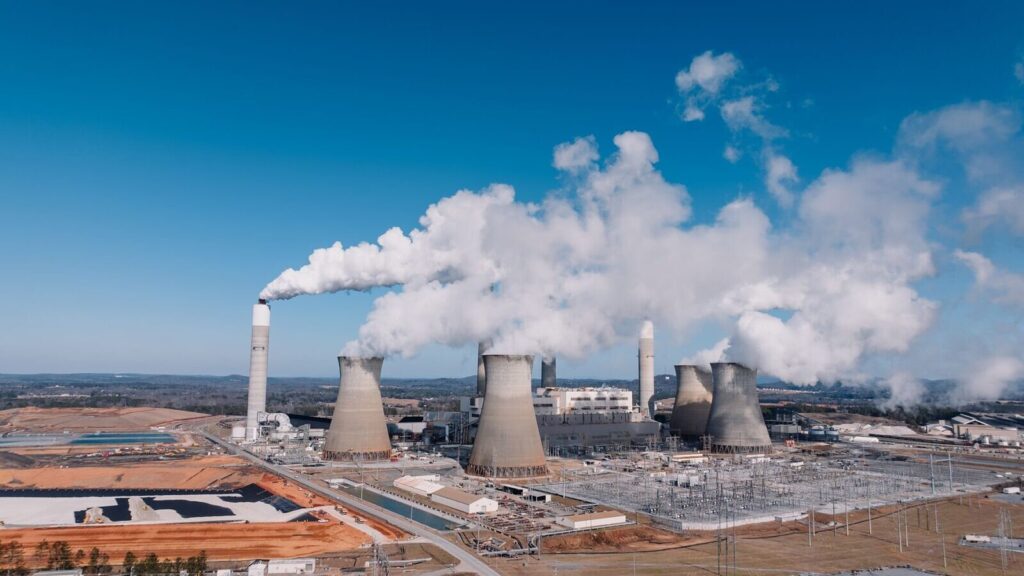
EPS said it held 1.85 million tonnes of coal in stockpiles in early October and plans to raise that to 2 million tonnes before winter. The utility also said maintenance on several major thermal power units is nearing completion, which should help if hydropower output remains weak.
For Serbia, the problem is less about installed capacity than about how much power can actually be delivered when river levels are low. The Danube-fed Đerdap hydropower plants are among the country’s most important electricity sources, but their output depends heavily on water availability.
Weak river flows cut hydropower output
EPS has already reported that low inflows reduced daily production at Đerdap 1 to just over 5,000 MWh during July, about one-third of its usual level for that period. The company has also warned that 2026 could rank among the weakest years for Danube hydropower production in the plants’ operating history.
Although all six generating units at Đerdap 1 have been rehabilitated, that does not solve the underlying hydrological problem. In practice, improved equipment can only help if there is enough water to pass through the turbines.
The latest figures matter for industrial users, traders and investors because they point to higher dependence on thermal plants and cross-border purchases when rainfall and river inflows are weak. That can lift costs even if the system remains technically able to cover demand.
Coal stocks and plant maintenance become central
EPS assistant executive director for coal and thermal energy production Ivan Gajić said the company’s mining maintenance work has been completed and that thermal plant maintenance is close to finishing. Rehabilitation has been completed on Kostolac A1, while extended maintenance was carried out on TENT A1 and A2, including repairs to boiler systems.
The coal stockpile target leaves about 150,000 tonnes still to be accumulated before winter. That buffer is important, but it is not the only factor that determines security of supply. Fuel quality, extraction rates, equipment reliability and unplanned outages all play a role in whether the coal fleet can compensate for weak hydropower conditions.
There is also a risk that very low water levels can affect cooling water availability at plants that depend on the Danube. EPS has previously flagged that issue at Kostolac during the summer.
Pumped storage helps, but does not replace lost water
The rehabilitated Bajina Bašta pumped-storage hydropower plant is now one of the most important tools in balancing Serbia’s power system. EPS said the plant is operating at full available capacity, supporting flexibility when conventional hydropower output is depressed.
Pumped storage works by using electricity to pump water to an upper reservoir, then releasing it later to generate power during periods of higher demand. That makes it useful for peak coverage and grid stability, but it does not create new net supply. It simply shifts energy in time and incurs losses in the process.
EPS has also pointed to future flexibility projects, including the proposed Bistrica project, while modernization work on the Vlasina hydropower system has already begun. Those investments reflect the growing importance of storage and flexible generation in Serbia’s electricity system.
Import prices could rise if winter demand tightens the market
If domestic generation falls short, EPS and other market participants may need to buy more electricity on regional exchanges or through bilateral deals. That would expose Serbia more directly to prices on SEEPEX, HUPX in Hungary and OPCOM in Romania, as well as to transmission constraints and regional demand conditions.
The biggest pressure would come if low hydropower output coincides with cold weather, weak wind generation or unplanned outages in neighboring countries. In that case, imports could become more expensive and less predictable.
For large industrial consumers, the impact would depend on their contracts. Companies buying power at market-linked prices would be more exposed to volatility, while those with fixed-price arrangements would feel the effect later, when agreements are renewed.
EPS says heating-season preparations are in place
EPS said its major heating-related thermal facilities are ready for the start of the heating season on October 15, and that sufficient fuel oil supplies have also been secured. Those steps should help the utility respond if winter weather adds pressure to the grid.
Still, the key variables remain coal output, plant reliability, hydropower inflows, domestic demand and import prices. If all of those move in the wrong direction at once, the result could be higher operating costs rather than an immediate supply shortage.
For Serbia, the situation underlines a structural weakness in a power system that still depends heavily on coal and hydropower. As winter approaches, EPS’s challenge is to keep generation available while limiting the cost of imports and storage use.
For more background on Serbia’s energy and industry trends, see our latest news.
Frequently asked questions
What are the current Danube inflows?
The Danube inflows are currently about 1,200 cubic metres per second, which is historically low.
How is EPS preparing for winter?
EPS is increasing coal stockpiles and completing maintenance on thermal power units to ensure reliable energy supply.
What impact do low inflows have on hydropower?
Low inflows significantly reduce hydropower output, particularly at the Đerdap plants, which rely heavily on water availability.
What are the risks associated with low water levels?
Very low water levels can affect cooling water availability at thermal plants and increase dependence on electricity imports.
What steps has EPS taken for heating season preparations?
EPS has secured sufficient fuel oil supplies and ensured major thermal facilities are ready for the heating season starting October 15.