
Energy expert Aleksandar Kovačević warns that Serbia must plan, permit and build more than 3,000 MW of new electricity generation within four years to avoid deeper dependence on power imports.
- Serbia has about one year for project preparation and permits, followed by roughly three years of construction.
- Ageing thermal plants face stricter EU environmental and efficiency standards, creating a risk of supply shortfalls.
- Import dependence would expose Serbia to price swings, regional shortages and higher industrial costs.
- Experts call for a coordinated build-out covering generation, grids, storage and balancing capacity, not isolated projects.
- Growing global demand for equipment and contractors makes delays more costly.
Serbia would need to plan, permit and build more than 3,000 MW of new electricity generation within four years to avoid deeper dependence on power imports, according to energy expert Aleksandar Kovačević. He argues that ageing domestic plants face growing technical and environmental constraints, and that energy security should rank among the country's top investment priorities.
Kovačević compared the urgency of the situation with the conditions Serbia experienced in 1999. The assessment is his own and not an official government position.
A tight timetable favours fast technologies
By his estimate, Serbia has about one year to prepare projects and secure approvals and permits, followed by roughly three years of construction. Such a schedule favours technologies that are standardised, financeable and quick to deploy.
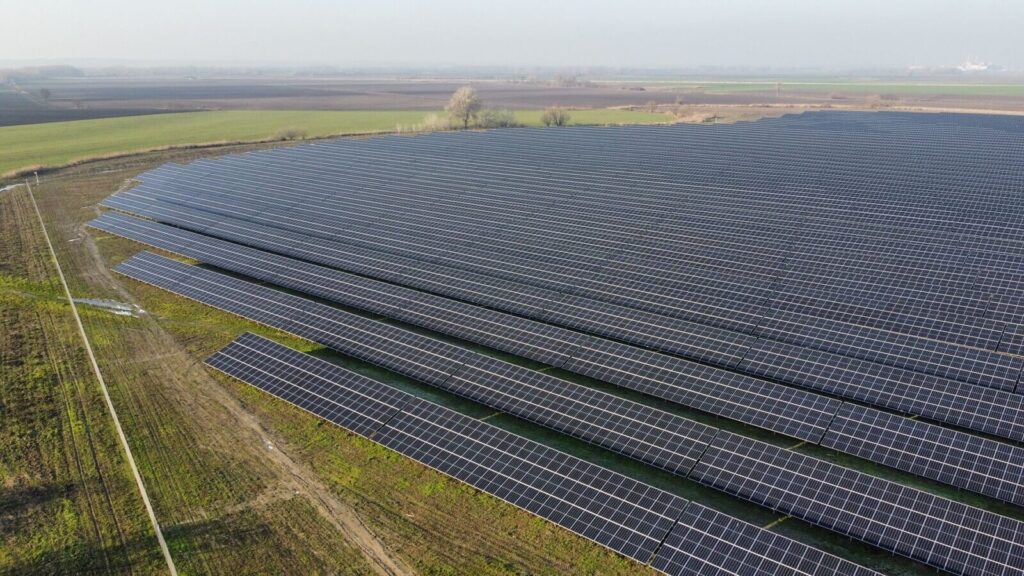
In practice, this puts large-scale renewable generation among the most readily available options. That is conditional on developing sufficient grid capacity, storage and balancing resources alongside it.
Older plants face stricter requirements
The need for new capacity is being accelerated by the condition of the existing generation fleet. Older thermal power plants will have to meet increasingly demanding European environmental and efficiency standards. Meeting emissions limits alone may not be enough if plants cannot satisfy the required efficiency parameters.
This creates a risk that parts of the current generation base become technically or economically difficult to operate before enough replacement capacity is commissioned. The issue is therefore no longer only decarbonisation, but security of supply.
Import dependence is the main risk
A lasting shift from broadly covering domestic electricity needs to structural import dependence would expose Serbia to wholesale price swings, regional shortages and grid congestion. It would also leave the country vulnerable in periods when neighbouring markets have little surplus power.
The consequences would reach beyond the state utility Elektroprivreda Srbije (EPS). Costly imports feed into industrial costs, inflation and the trade balance, and ultimately affect the competitiveness of Serbian manufacturing. New generation is thus an issue of economic infrastructure as well as of the energy sector.
Equipment and contractors may become scarce
Serbia would be seeking new generation at a time of rising global demand for energy equipment. Large data-centre developments are lifting electricity demand and investment in generation and grids. The eventual reconstruction of Ukraine could create further demand for equipment, engineering and construction capacity.
Delay therefore carries a cost. The longer investment decisions are postponed, the greater the risk of higher equipment prices, longer delivery times and competition for experienced contractors.
The role of EPS
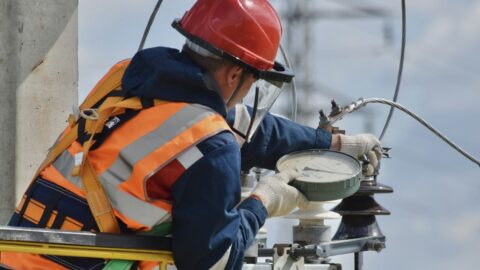
Kovačević pointed to the technical workforce at EPS and its associated companies as one of the few domestic organisations able to support investment on this scale. He said Serbia needs a coordinated build-out covering generation, transmission, distribution, storage, balancing capacity and industrial demand, rather than isolated renewable projects.
The goal, in his view, should be to replace ageing plants before they leave the system, instead of covering the resulting deficit with imports.
Financing depends on a credible pipeline
Existing energy investments, including the Kostolac B3 unit and environmental upgrades, have been financed partly through international borrowing. Any future refinancing or restructuring talks would raise a question for lenders: which new assets will produce the electricity and economic activity needed to service the debt.
According to the analysis, Serbia needs more than an energy strategy with long-term capacity targets. It needs a bankable construction pipeline, meaning permitted sites, grid connections, financing structures, procurement strategies and realistic commissioning schedules.
With more than 3,000 MW potentially required within four years, the key question is whether plans can be turned into operating capacity fast enough. For more reporting, see the latest news section.
Frequently asked questions
How much new electricity capacity does Serbia need?
According to energy expert Aleksandar Kovačević, Serbia needs more than 3,000 MW of new electricity generation within four years. This would help avoid deeper dependence on power imports.
Why are Serbia's existing power plants a concern?
Many domestic plants are ageing and face growing technical and environmental constraints. Older thermal plants must meet stricter European emissions and efficiency standards, which may make some of them difficult to operate.
What are the risks of relying on electricity imports?
Import dependence would expose Serbia to wholesale price swings, regional shortages and grid congestion. Higher energy costs would also feed into industrial costs, inflation and the competitiveness of Serbian manufacturing.
Which technologies could be built quickly?
A tight timetable favours standardised, financeable and quick-to-deploy technologies. Large-scale renewable generation is among the most readily available options, provided that grid capacity, storage and balancing resources are developed alongside it.