
Serbia's major infrastructure projects are facing scrutiny over rising costs and management practices.
- Three flagship projects exceed €6 billion in costs.
- Morava Corridor's costs surged from €943 million to €2.1 billion.
- Đerdap 3's estimated costs rose from €1.4 billion to €2.6 billion before construction.
Serbia’s three flagship road and energy projects, with a combined value of more than €6 billion, are facing renewed questions over how their costs have grown, how they were prepared and how the contracts were managed.
The review covers the Morava Corridor motorway, the Belgrade-Zrenjanin-Novi Sad motorway and the Đerdap 3 pumped-storage hydropower project. The analysis, published by Forbes Srbija on October 29, cites Marko Milanović, an adviser at Serbia’s Fiscal Council, and points to possible weaknesses in feasibility studies, project design, contractor selection and cost control.
Although the projects are at different stages and cannot be treated as identical examples of overruns, they all show what can happen when major investments are committed before technical details, risks and financing terms are fully settled.
Morava Corridor: from €943 million to €2.1 billion
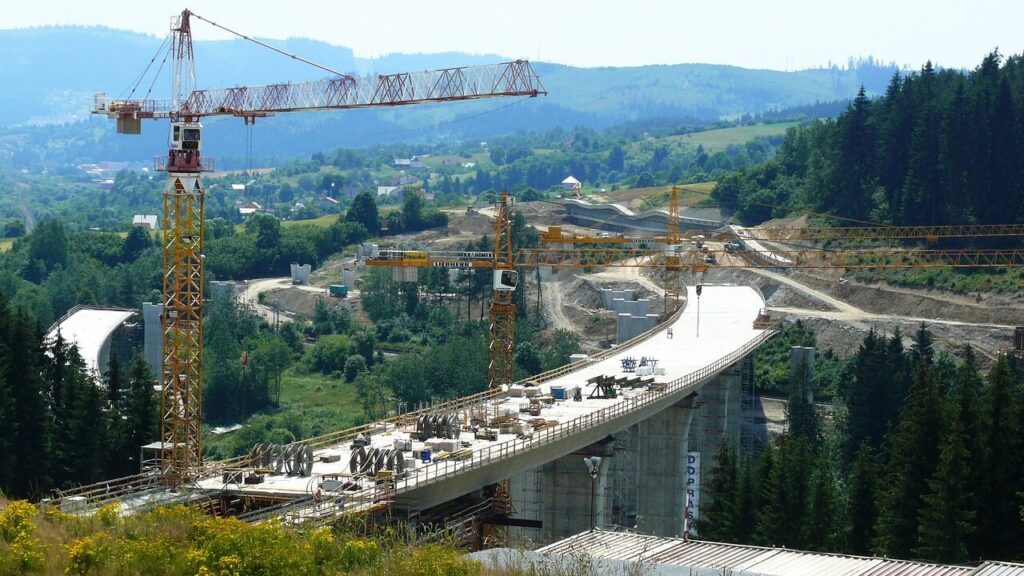
The Morava Corridor is the most advanced of the three projects and is being built by the Bechtel-Enka consortium.
Early planning in 2018 put the cost at around €800 million. A later commercial agreement valued the project at €943 million, while Serbia’s fiscal planning documents for 2026 put the estimated cost at about 252 billion dinars (€2.1 billion).
That is more than 120% above the original contract value and roughly 160% above the earlier estimate. The motorway is now more than 92% physically complete, which leaves little room for major changes in scope or design.
Some of the increase has been linked to inflation, pandemic disruption, conditions in the global construction market and contractual price adjustment clauses. Even so, the source material notes that it is not clear how much of the approximately €1.16 billion difference comes from inflation, extra works, design changes or other contractual adjustments.
Belgrade-Zrenjanin-Novi Sad: a changed project concept
The second project shows a different kind of cost jump. In 2018, Serbia planned a fast road between Belgrade, Zrenjanin and Novi Sad, with preliminary costs of about €210 million for the relevant sections.
The concept later changed into a full motorway. In November 2023, a contract was signed with China Shandong International Economic and Technical Cooperation Group for close to €1.6 billion excluding VAT, covering about 105 kilometres of motorway and related infrastructure.
The project also includes additional facilities, including a parallel road on part of the route. Because the technical scope changed, the difference between €210 million and €1.6 billion cannot be treated as a standard cost overrun.
The key issue is whether the higher-standard motorway will bring enough traffic, freight capacity and regional development benefits to justify its higher price. Construction progress is estimated at around 10%, which means there is still room for reassessment, but any changes would need to take into account existing commitments and possible cancellation costs.
Đerdap 3: costs rise before construction starts
The clearest warning sign comes from the proposed Đerdap 3 pumped-storage hydropower plant.
Its estimated cost rose from about €1.4 billion in 2023 to €2.6 billion in 2025, an increase of around 86%. Unlike the motorway projects, this one is still in the preparation and technical documentation phase, so the higher figure cannot be explained by construction overruns.
Pumped-storage plants require complex geological, hydrological, civil and electrical assessments. Their final cost depends on underground works, reservoirs, high-voltage systems, grid connections, environmental rules and construction methods. The source says that such projects can change significantly once more detailed studies are done, but the scale of the revision raises doubts about the reliability of the original estimate.
The plant’s economic case will also depend on future electricity prices, operating efficiency and the value of grid flexibility. The article says Serbia should compare the project with alternatives such as battery storage, grid upgrades and demand-response tools before moving to construction.
What the projects reveal about public investment
Taken together, the three projects point to a wider problem in Serbia’s public investment management: major financial commitments are often made before projects are fully developed.
When contractors are chosen or agreements are signed before designs and quantities are firm, the state can be left exposed to risks such as geological surprises, land acquisition issues, design changes, delays and price escalation.
Independent technical and financial reviews, the article says, would help compare the original baseline with later changes and show whether extra spending is justified by verified changes in scope, quantities or market prices. This is particularly important in Serbia, where special legal arrangements have reduced the role of some standard procurement and oversight procedures.
Budget pressure adds to the stakes
The financial implications go beyond these individual projects. Serbia’s revised 2026 budget allocates about 779.9 billion dinars, or €6.6 billion, to public capital investment across the general government sector, equal to around 7% of GDP.
Infrastructure spending remains central to Serbia’s growth strategy, but large cost increases can limit room for other investments and may raise future debt servicing costs if borrowing is involved.
The combined value of the three projects is about €6.3 billion. That figure does not represent money already spent or cost overruns alone, but the overall scale of the investments now under way or under preparation.
For the Morava Corridor, the priority is to reconcile original and revised costs. For Belgrade-Zrenjanin-Novi Sad, the focus is on the cost-benefit case and remaining contractual obligations. For Đerdap 3, Serbia still needs a credible technical design, investment estimate and financing model before construction begins.
For foreign investors, lenders and contractors watching Serbia’s infrastructure market, the projects show that project preparation and contract discipline remain as important as the headline value of the investment itself.
Frequently asked questions
What are the main infrastructure projects in Serbia?
The main projects include the Morava Corridor motorway, the Belgrade-Zrenjanin-Novi Sad motorway, and the Đerdap 3 hydropower project.
Why are the costs of these projects increasing?
Costs have increased due to factors like inflation, design changes, and project scope adjustments.
What is the current status of the Morava Corridor project?
The Morava Corridor is over 92% complete, but its costs have escalated significantly since initial estimates.
What concerns are raised about public investment management in Serbia?
Concerns include making financial commitments before projects are fully developed, leading to risks and cost overruns.
How does the Đerdap 3 project differ from the others?
Unlike the motorway projects, Đerdap 3 is still in the preparation phase, with costs rising significantly before construction has begun.