
Serbia's automotive sector is becoming a major driver of manufacturing and export growth, with vehicle production rising sharply in 2026.
- Motor vehicle production rose 40.4% in the first nine months of 2026 and 37.3% year on year in September.
- Goods exports grew 8.9% in January-September 2026, with vehicles accounting for a large part of the increase.
- The Fiat Grande Panda ramp-up in Kragujevac creates demand for local suppliers in wiring, metal, plastics, and logistics.
- Concentrated export dependence on a few large factories and European car demand poses a risk to Serbia's trade figures.
Serbia's automotive sector is becoming a main driver of the country's manufacturing and export results. Vehicle assembly and its supplier network are increasingly central to the economic outlook for 2027, according to the source analysis.
Exports and production rise
Goods exports grew 8.9% in the January-September 2026 period. Motor vehicle production rose 37.3% year on year in September and 40.4% over the first nine months of the year.
The assessment, attributed to MAT, says vehicles account for a major part of the increase in manufacturing exports. This makes the sector an outsized contributor to overall export performance.
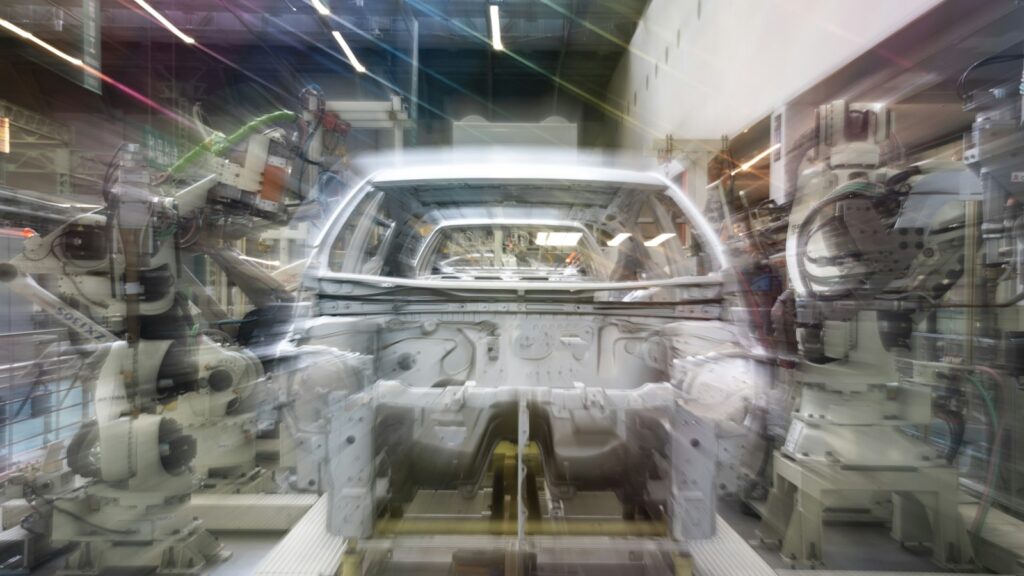
The production ramp-up for the Fiat Grande Panda programme in Kragujevac is cited as an example of the opportunity. Higher assembly volumes can support demand for wiring, metal parts, plastic components, industrial automation, logistics and specialised maintenance. The impact on domestic value added, however, depends on how large a share of inputs is bought locally rather than imported for final assembly.
Growth brings concentrated risks
A narrow export base also means concentrated risk. A shift in vehicle demand in European markets, delays in model production or disruption at a small number of large factories could quickly appear in Serbia's aggregate trade figures.
The source therefore argues that automotive growth should be judged together with supplier diversification, product complexity and the number of Serbian companies able to win contracts outside a single assembly chain.
Moving into higher-value contracts
According to the analysis, the next phase will be measured less by growth in finished-vehicle exports than by whether domestic engineering, tooling and component makers move into higher-value supply contracts.
That shift will determine how much of the current expansion turns into a lasting improvement in Serbia's industrial competitiveness. For investors and suppliers, the share of locally sourced inputs and the participation of Serbian firms in supply chains are the indicators to watch.
Frequently asked questions
How much did vehicle production grow in Serbia in 2026?
Motor vehicle production rose 40.4% over the first nine months of 2026 and 37.3% year on year in September alone.
How did the automotive sector affect Serbia's exports?
Goods exports grew 8.9% in January-September 2026, and vehicles account for a major part of the increase in manufacturing exports.
Why is the Fiat Grande Panda programme in Kragujevac important?
Its production ramp-up is expected to boost demand for local suppliers of wiring, metal and plastic parts, automation, and logistics services.
What risks come with the growth of Serbia's car industry?
Its narrow export base is concentrated in a few large factories, so shifts in European vehicle demand or production delays could quickly affect national trade data.