
Serbia's goods trade deficit narrowed to about EUR 5.2 billion in the first eight months of 2026 because exports grew faster than imports.
- Merchandise exports rose 11.7% year on year to EUR 23.3 billion, while imports grew only 4.6%.
- Exports covered 82% of imports, up from 77% in 2025 and 74% in 2024.
- Export gains were concentrated in automotive, mining and basic metals, while agri-food exports were flat.
- The current-account shortfall fell to about EUR 2.1 billion, or 3.5% of GDP, from 4.9% of GDP in 2025.
- Electricity exports fell sharply after drought reduced domestic power output.
Serbia's goods trade deficit narrowed to about EUR 5.2 billion in the first eight months of 2026, down from EUR 6.5 billion a year earlier. Merchandise exports grew faster than imports, even as household consumption remained strong.
Exports grow faster than imports
Merchandise exports rose 11.7% year on year to EUR 23.3 billion, while imports increased by only 4.6%. As a result, exports covered 82% of imports, compared with 77% in 2025 and 74% in 2024.
Most of the growth in imports came from capital goods. This is consistent with stronger activity in automotive production, construction and public investment.
Imports of consumer goods were close to flat, although retail sales and household consumption accelerated. The source suggests that more of the rise in demand was met by domestic supply or existing inventories.
Gains concentrated in a few sectors
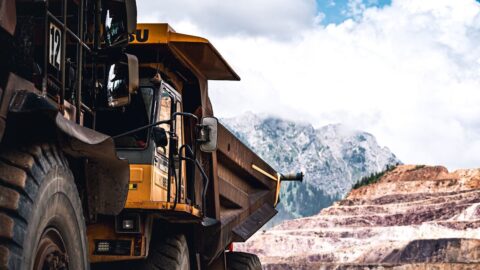
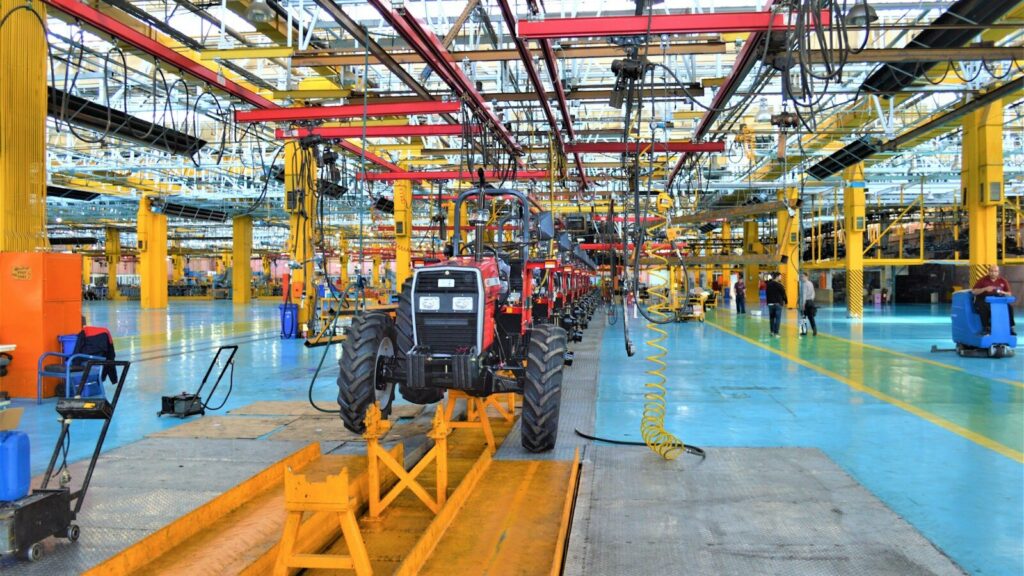
On the export side, the improvement was concentrated in automotive, mining and basic metals. This helped narrow the external gap, but it also means the correction in trade is not yet broad-based.
Agri-food exports were flat. Electricity exports fell sharply after drought reduced domestic power output.
Current account also improves
The smaller goods deficit contributed to a better current account position. In the first eight months, the current-account shortfall fell to around EUR 2.1 billion, or 3.5% of GDP, compared with 4.9% of GDP in 2025.
What to watch next
The main question is whether export growth can stay ahead of import growth as the public-investment cycle and household demand continue into 2027. A broader and stronger manufacturing export base would make the improvement more durable.
A rebound in energy imports or in demand for consumer goods could widen the gap again. For further coverage of Serbia, see the latest news section.
Frequently asked questions
How much did Serbia's goods trade deficit shrink in the first eight months of 2026?
The goods trade deficit narrowed to about EUR 5.2 billion, down from EUR 6.5 billion a year earlier.
How much did Serbian merchandise exports grow?
Merchandise exports rose 11.7% year on year to EUR 23.3 billion, while imports increased by only 4.6%.
Which sectors drove the improvement in Serbia's trade balance?
The gains were concentrated in automotive, mining and basic metals, while agri-food exports were flat and electricity exports fell sharply after drought.
How did the current account change?
The current-account shortfall fell to around EUR 2.1 billion, or 3.5% of GDP, compared with 4.9% of GDP in 2025.