
Serbia's economy grew 4% year on year in the third quarter of 2026, but weak industrial output in energy and basic metals points to an uneven expansion.
- GDP grew about 3.6% in the first nine months of 2026, led by services, trade and net taxes.
- Manufacturing rose 5.1% in September on motor vehicles and machinery, while basic metals fell 23%.
- Goods exports grew 8.9% in the first nine months, lifting the export-import coverage ratio to 82.6%.
- Real retail turnover rose 8.8% in September and real net wages increased 8.7% in August.
- Investors face the risk that growth stays exposed while energy, metals and other industries lag.
Serbia's economy expanded by 4% year on year in the third quarter of 2026, according to a flash estimate. Growth remains among the stronger rates in Europe, but the data show a widening gap between consumer-driven sectors, export-oriented manufacturing and parts of heavy industry that are shrinking.
Services and trade drive growth
The flash estimate puts growth in the first nine months of the year at about 3.6%. Services, trade and net taxes made the largest contribution to the expansion.
Industrial figures are weaker than the headline GDP reading. Industrial output rose 3.2% year on year in September, but production for January to September was only 0.5% higher than a year earlier. Strong quarterly GDP therefore does not mean the productive base is growing at the same pace.
Manufacturing splits into winners and losers
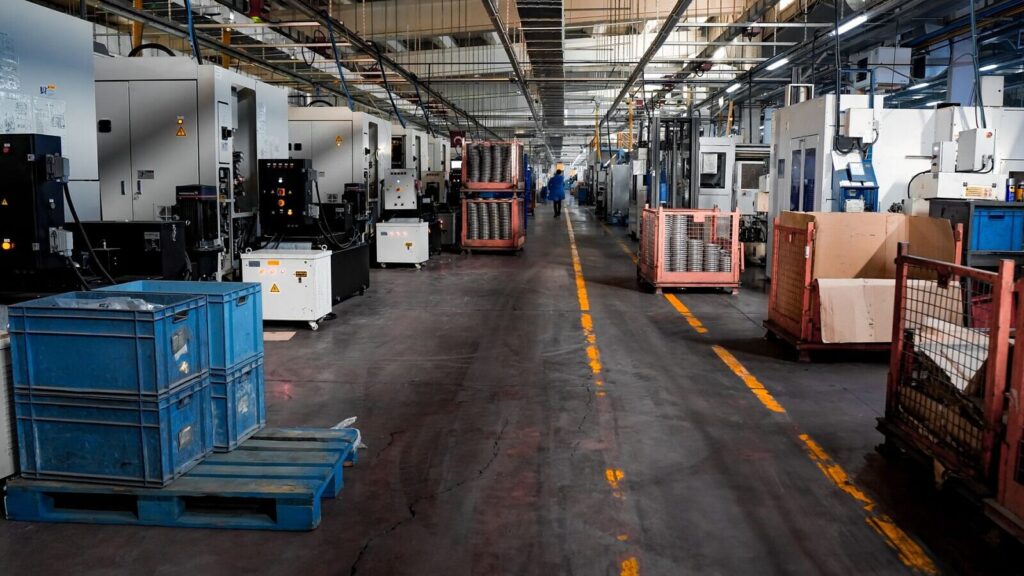
Manufacturing output increased 5.1% in September, led by motor vehicles and machinery. Other segments moved sharply in the opposite direction:
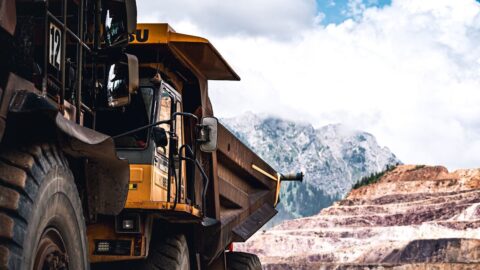
- basic metals production fell 23%;
- fabricated metal products declined 21.9%;
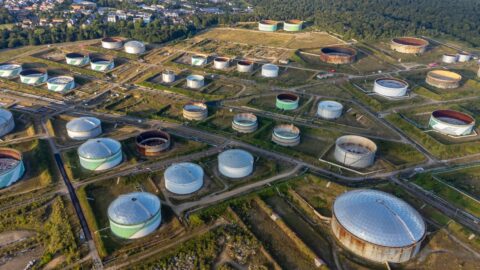
- electricity, gas and steam supply contracted 7.2%.
The figures suggest that suppliers tied to expanding assembly operations operate in very different conditions from energy-intensive producers, which face weak output.
Exports and household spending provide support
External demand has also supported the economy. Goods exports grew 8.9% in the first nine months, faster than imports. This lifted the export-import coverage ratio to 82.6%, from 79.5% a year earlier.
Household demand was also strong. Inflation-adjusted retail turnover rose 8.8% in September, and real net wages increased 8.7% in August.
What it means for investors
For investors, the main question heading into 2027 is whether this mix can last. Faster household spending and a limited group of strong exporters can sustain headline growth. However, the economy stays exposed while energy production, basic metals and other industrial divisions lag.
A more balanced expansion would require broader gains in industrial productivity, reliable power supply and sustained private capital expenditure.
Frequently asked questions
How fast did Serbia's economy grow in the third quarter of 2026?
Serbia's economy expanded by 4% year on year in the third quarter of 2026, according to a flash estimate. Growth for the first nine months of the year is about 3.6%.
Which sectors are driving Serbia's GDP growth?
Services, trade and net taxes made the largest contribution to growth. Household spending and exports have also supported the expansion.
Why is industrial output weaker than the overall GDP figure?
Industrial output rose 3.2% in September, but production for January to September was only 0.5% higher than a year earlier. Basic metals fell 23%, fabricated metal products declined 21.9%, and electricity, gas and steam supply contracted 7.2%.
What does the outlook for Serbia's economy look like heading into 2027?
The main question is whether the mix of strong household spending and a limited group of exporters can sustain growth. A more balanced expansion would require broader gains in industrial productivity, reliable power supply and sustained private investment.