
Serbia's central bank has extended the euro cash settlement window to 30 days to address increased retail demand.
- Settlement period for exchange offices doubled to 30 days.
- Measure aims to ease pressure from rising euro demand.
- Applies until December 10, 2026, without changing currency policy.
Serbia’s central bank has temporarily doubled the period during which exchange offices can hold foreign cash bought from banks, a move aimed at easing pressure from stronger demand for euros in the retail market.
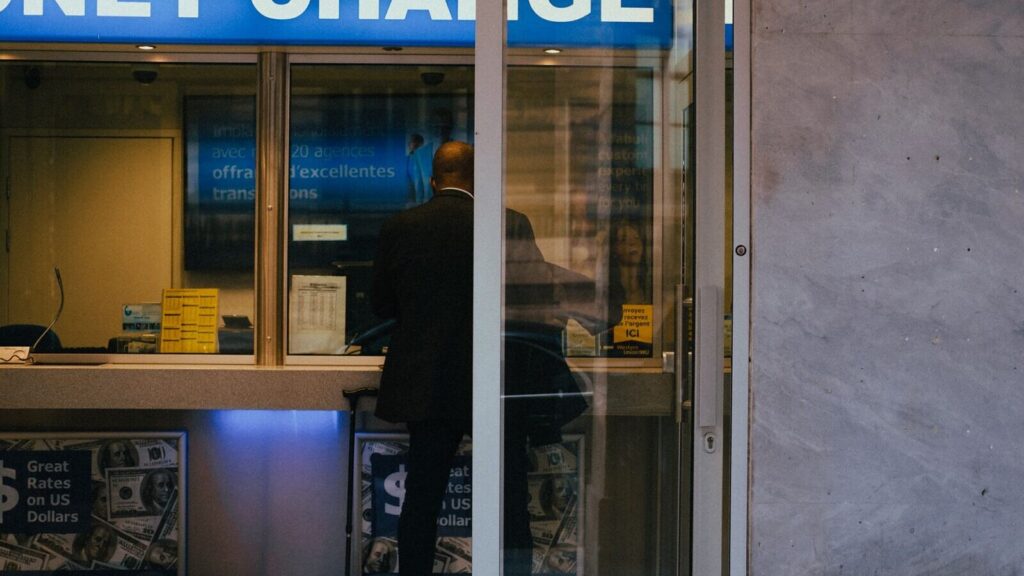
The National Bank of Serbia (NBS) said on October 27 that authorised exchange offices and the public postal operator may now return foreign currency to commercial banks within 30 days instead of 15 days. The measure will apply until December 10, 2026.
According to the NBS, exchange offices sold about €571.6 million to customers in October through October 27, while buying €515.3 million. That left net retail sales at €56.3 million. Commercial banks supplied exchange offices with around €40.27 million over the same period.
The central bank said the foreign-exchange market remained stable and that banks and exchange offices still had enough cash to meet demand. The decision, however, shows how quickly retail euro demand can affect liquidity management even when the dinar exchange rate is not under visible strain.
Operational adjustment, not a change in currency policy
The NBS did not change Serbia’s exchange-rate regime, limit access to euros or introduce capital controls. Instead, it adjusted the timetable for settling cash positions between exchange offices and banks.
By giving operators twice as long to return purchased foreign cash, the central bank is allowing them more room to manage inventories during periods of higher demand. The measure does not create new foreign currency, so its success will still depend on continued bank supply and on whether household demand eases.
The longer holding period may also reduce the frequency of cash recycling through the banking system. For exchange offices, that can improve flexibility, but it also means more responsibility for inventory control and physical-cash security.
October demand moved against September’s trend
The latest figures mark a clear shift from September, when exchange offices recorded net purchases of about €13.4 million from customers. In other words, they bought more euros from the public than they sold.
In October, the pattern reversed. Customers bought €56.3 million more in euros than they sold, a swing of almost €70 million between the two reporting periods, although the October data cover only the month through October 27.
Serbia is a highly euroised market, and households often use foreign currency for savings, property deals and day-to-day financial planning. Higher demand for cash euros can reflect precautionary saving, travel needs, seasonal payments or changing expectations about the dinar. The available data do not show which of those factors was most important this time.
A rise in retail euro purchases does not automatically mean capital flight or banking stress. It is only one part of a much wider foreign-exchange market that also includes bank-to-bank transactions, company payments, deposits, investment flows and central-bank interventions.
Reserves provide a buffer, but cash logistics still matter
The NBS said Serbia’s gross foreign-exchange reserves stood at about €29.86 billion at the end of September, equal to 6.7 months of imports of goods and services. Net reserves were around €25.56 billion.
Gross reserves were down by roughly €946 million during September, which the central bank linked to several factors, including government foreign-currency payments and intervention in the domestic market. The NBS also said it maintained the dinar’s relative stability against the euro during 2026.
Those reserves give Serbia a solid macroeconomic buffer, but they are not the same as the physical banknotes available at exchange offices. A shortage at one outlet does not necessarily indicate a shortage of euros across the banking system. The new rule is therefore best seen as a cash-market adjustment, not a signal of broader external pressure.
Why the measure matters for banks and businesses
For commercial banks, higher euro-cash demand can affect logistics, branch supply and how foreign currency is distributed across exchange networks. For exchange offices, the extended settlement period should make day-to-day operations easier, but it also increases the importance of liquidity management.
Businesses are affected less directly. Importers usually buy foreign currency through banking channels, not retail exchange offices, so their financing costs are tied more to the interbank market and to contract terms than to small changes in cash demand on the street.
Even so, a sustained shift in household preferences could matter if it eventually influences deposits, banking liquidity or exchange-rate expectations. For that reason, investors and lenders will be watching future data on deposits, foreign-exchange turnover and NBS market activity. Readers can also follow broader financial coverage in our latest news section.
Temporary measure with a December deadline
The NBS has chosen a short-term administrative response rather than a change in interest rates or a broader exchange-rate adjustment. The decision is meant to preserve orderly market conditions while retail euro demand is elevated.
The measure is scheduled to expire on December 10, 2026. If demand slows, the 30-day settlement window may be enough to smooth the current pressure. If it stays strong, the central bank and banks may need to revisit how foreign cash is distributed.
For now, the key point is that Serbia’s foreign-exchange market remains operationally stable, but retail euro demand has been strong enough to require a temporary change in cash settlement rules.
Frequently asked questions
What is the new settlement period for euro cash?
The new settlement period for euro cash is extended to 30 days.
Why did Serbia's central bank implement this measure?
The measure was implemented to manage increased retail demand for euros.
How long will this measure be in effect?
This measure will remain in effect until December 10, 2026.
Does this change affect Serbia's currency policy?
No, the change is an operational adjustment and does not alter Serbia's currency policy.
What impact does this have on exchange offices?
It allows exchange offices more time to manage their cash inventories during periods of high demand.