
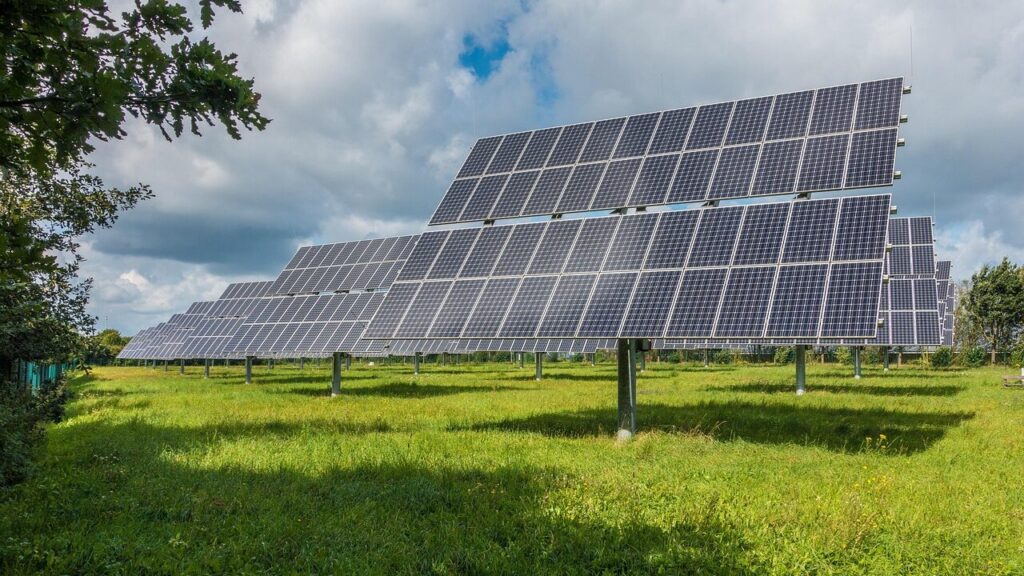
A 72 MWh battery at the Nocaj solar project shows how energy storage can help Serbian exporters manage renewable electricity, but it does not reduce emissions or exempt them from the EU's CBAM.
- The Nocaj project pairs 270 MWp of solar capacity with a 72 MWh battery.
- Storage can better match renewable output with factory demand and reduce purchases of high-carbon grid electricity at peak times.
- Storage does not reduce embedded emissions or grant any CBAM exemption.
- CBAM's definitive period began in 2026, raising carbon cost exposure for covered Serbian exporters such as steel, aluminium and cement producers.
- Compliance still requires metering, electricity contracts, guarantees of origin and verifiable consumption data.
A 72 MWh battery at the Nocaj solar project, which has 270 MWp of solar capacity, is cited as an example of how energy storage can support Serbian exporters facing the EU Carbon Border Adjustment Mechanism (CBAM). Storage can make renewable electricity more usable and predictable for factories, but it does not reduce embedded emissions and does not give any exemption from CBAM.
CBAM is the EU system that puts a carbon cost on certain imported goods. Its definitive period began in 2026, which raises the importance of carbon costs for covered exporters from Serbia.
What storage can and cannot do
A battery can help match renewable output with a factory's consumption. It can also reduce the need to buy high-carbon grid electricity in selected hours. Producers of steel, aluminium and cement may gain commercially from a cleaner and more manageable electricity supply profile, according to the source analysis.
Storage strengthens energy management, but it does not replace the underlying emissions rules. Its value for compliance depends on the applicable CBAM methodology and on the evidence behind any claim, not simply on owning a battery.
Evidence still required
Exporters still need metering, contractual allocation of electricity, guarantees of origin where relevant, and verifiable consumption data to support claims about the electricity they use. The battery can influence when renewable power is consumed, but it cannot by itself establish how emissions are treated under CBAM.
The business case for exporters combines three elements: lower exposure to volatile market purchases, better capture of renewable output, and a more controlled set of electricity data for carbon reporting.
Market signals and the Nocaj example
Serbia's renewable generation faces growing risk from hourly price swings and low capture prices, while industrial users still face expensive evening periods. The SEEPEX power exchange recorded Serbia's first negative day-ahead electricity price in May 2026, which points to a changing hourly price environment for both producers and consumers.
Solar-plus-storage can shift part of the renewable output toward factory demand and toward hours when grid electricity costs more. The Nocaj project combines 270 MWp of solar capacity with 72 MWh of storage.
The battery is not large enough to make the solar plant fully firm, meaning able to deliver a steady, guaranteed supply. It can, however, improve how output is shaped and reduce imbalance in a bilateral supply arrangement. Its relevance to CBAM would still depend on the methodology and on documented electricity evidence, rather than on storage capacity alone.
Frequently asked questions
Does a battery exempt Serbian exporters from CBAM?
No. Storage can make renewable electricity more usable and predictable, but it does not reduce embedded emissions or provide any exemption from CBAM.
Which Serbian industries are most affected by CBAM?
Producers of steel, aluminium and cement are among the exporters most exposed to CBAM carbon costs, since the mechanism applies to certain imported goods.
What evidence do exporters need to support CBAM claims?
Exporters need metering, contractual allocation of electricity, guarantees of origin where relevant, and verifiable consumption data. A battery alone cannot establish how emissions are treated under CBAM.
How can energy storage help industrial electricity users in Serbia?
Storage can shift renewable output toward factory demand and toward hours when grid electricity is more expensive, reducing exposure to volatile market prices and imbalance costs.