
Serbia experiences unprecedented demand for wood pellets as prices rise significantly.
- Pellet prices range from RSD 42,000 to RSD 48,000 per ton.
- Domestic production meets over 90% of the pellet demand.
- October demand decreases as households prepare for winter.
Demand for wood pellet in Serbia remains strong, while factories are working normally and most retail outlets are well supplied, according to Branko Glavoњić, a professor at the Faculty of Forestry. He told RTS that more than 90 percent of retail sellers are adequately stocked and that deliveries to consumers are generally regular.
In around 10 percent of retail outlets, mostly smaller depots in smaller towns, buyers may wait up to seven days for delivery. Glavoњić said production is continuing without major disruptions, which suggests the market is still absorbing the higher seasonal demand.
Prices at depots and factories
Glavoњić said more than 90 percent of the pellet consumed in Serbia is produced domestically, while around 10 percent comes from imports. In the first nine months of this year, Serbia imported about 46,600 tons of pellet, which is roughly 4,000 tons more than during the whole of 2025.
According to him, that figure reflects very strong demand. Domestic producers are also reporting record output, and most factories had already produced in eight months as much as they had in the entire 2025.
At depots, pellet is generally sold for RSD 42,000 to RSD 48,000 per ton. On most sites, consumers can find it in the RSD 42,000 to RSD 44,000 range, while factory prices are lower, usually between RSD 38,000 and RSD 40,000 depending on the producer.
Some depots also offer imported pellet from Croatia for RSD 50,000 per ton. Glavoњić said this is high-quality oak pellet, class A1.
Demand eases after households stock up
Glavoњić said demand in October is lower than in September because most households have already bought fuel for the winter. He expects that trend to continue in the coming weeks if there are no major changes on the wider energy market.
He estimates that about 200,000 households in Serbia will heat with pellet this year, possibly slightly more. That would make 2026 a record year both for production and consumption.
Firewood market remains stable
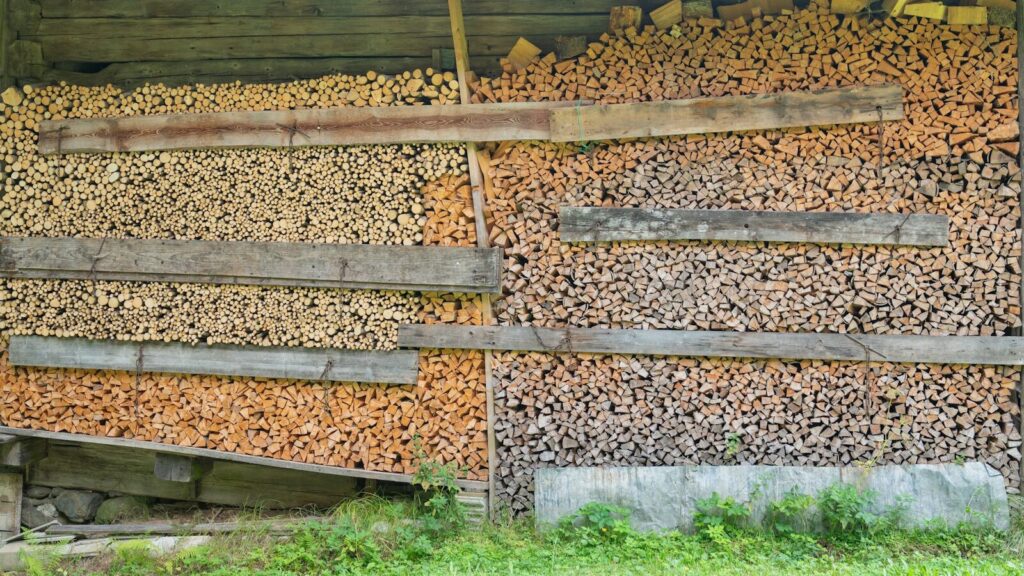
Unlike pellet, the firewood market is one of the most stable energy markets in Serbia, according to Glavoњić. He said supply is good and that this market has remained steady.
Prices vary by region, from RSD 8,000 in the south of the country to RSD 11,500 in the north. He added that the most important factor is not the type of wood, but whether it is properly dried.
If consumers can choose, he recommends hardwood. He said well-dried wood burns best and is the safest option for households.
What buyers should check before purchasing pellet
Glavoњić reminded consumers that Serbia has rules requiring technical standards and quality control for wood fuels sold on the domestic market. Every bag of pellet must carry a printed or attached declaration with several details, including the date of the quality check.
He said the number of domestic producers with certified pellet has risen from 40 in March to 46, while the number of certified foreign factories has increased from eight to 11.
He also explained the difference between a stacked cubic meter and a true cubic meter of firewood, a distinction that often confuses buyers. A stacked cubic meter includes the air gaps between the logs, while a cubic meter is the solid volume without those gaps.
According to Glavoњić, one cubic meter of compact wood usually corresponds to 1.4 stacked cubic meters, which is why the price per cubic meter is higher when measured in that way.
For readers following Serbia's energy and consumer markets, the current situation is mainly important because it affects household heating costs ahead of winter. Similar market updates can be found in our latest news section.
Frequently asked questions
What are the current prices for wood pellets in Serbia?
Wood pellet prices in Serbia range from RSD 42,000 to RSD 48,000 per ton, depending on the supplier.
How much of Serbia's pellet supply is domestically produced?
More than 90% of the wood pellets consumed in Serbia are produced domestically.
What factors affect the demand for wood pellets?
Demand typically decreases in October as households stock up on fuel for the winter.
Are there quality standards for wood pellets in Serbia?
Yes, Serbia has regulations requiring technical standards and quality control for wood fuels sold on the market.
What is the difference between stacked and true cubic meters of firewood?
A stacked cubic meter includes air gaps between logs, while a true cubic meter is the solid volume without gaps.