
NIS has asked Serbia's caretaker government to release state crude reserves and operational diesel stocks as a damaged Janaf pipeline section halts deliveries to the Pančevo refinery.
- Janaf supplies about 80 percent of NIS's crude; the outage has lasted about a week, longer than first expected.
- Energy expert Miloš Banjac estimates Serbia could bridge two to three months by combining refinery stocks with state reserves, but calls this a temporary fix.
- The sale of NIS to Hungary's MOL is unlikely to close before the December 11 license expiry, so another extension is expected.
- Brent crude fell from 115 to about 95.5 dollars per barrel, but pump prices are unlikely to drop soon due to government-set excise duties.
- Low Danube water levels have cut hydropower output, forcing Serbia to import about a quarter of its October electricity needs, while the Russian gas contract expires at year-end.
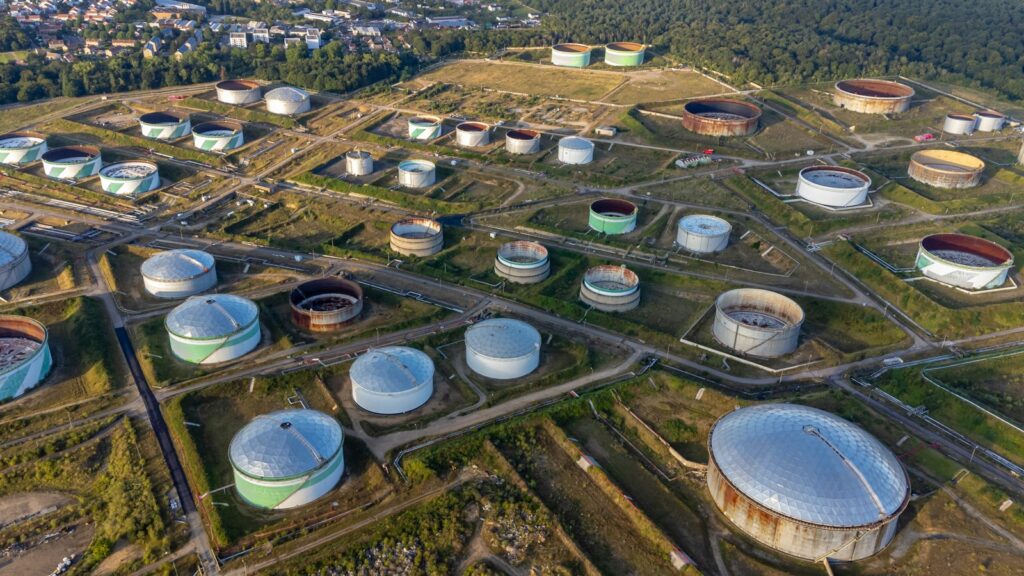
Serbia holds oil reserves for about 60 days, according to energy expert Miloš Banjac of the Faculty of Mechanical Engineering in Belgrade. He spoke after a damaged section of the Janaf pipeline interrupted crude deliveries to the Pančevo refinery for about a week.
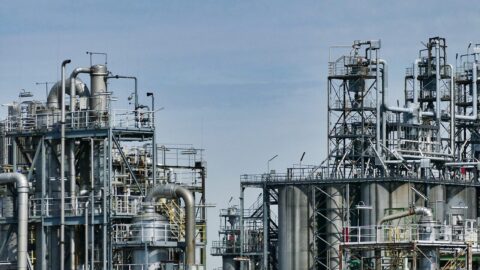
NIS, the Serbian oil company with Russian majority ownership, has asked the outgoing Government of Serbia, which is in a caretaker mandate, to allow the use of crude oil from state reserves and diesel from operational reserves. The request follows the temporary halt in crude supplies through Janaf, the Croatian pipeline that delivers oil to Serbia.
Reserves could bridge two to three months
Banjac said Janaf supplies NIS with about 80 percent of its crude, while the remaining 20 percent comes from domestic production. NIS in turn supplies about 70 percent of the Serbian market, and the other 30 percent of oil products is imported.
He noted that during an earlier supply disruption caused by sanctions, NIS had reserves for about a month of regular production. In his view, the Pančevo refinery could keep operating on existing stocks, and that period could probably be extended by several more weeks. Together with state reserves, Serbia could bridge two to three months, he said, but this is not a lasting solution.
According to Banjac, the first information suggested the damage would be repaired within two days, yet the outage has lasted a week. He did not describe the situation as serious, but said the fault is evidently more complicated than it first appeared. He expects Janaf to fix it soon and added that, depending on contractual obligations, undelivered oil could lead to penalties.
Asked what would happen if the Pančevo refinery stopped working, Banjac said it would cause major problems, but he does not believe in that scenario.
MOL takeover unlikely before December 11
Banjac considers it unlikely that the sale of NIS to Hungary's MOL will be completed by December 11, when the operating licenses of NIS and Janaf expire. He pointed out that OFAC, the US Treasury sanctions office, has not yet approved the transaction, and described current steps as preparatory.
He nevertheless expects another extension of the license, since talks on the ownership structure are under way and the parties hold a license to negotiate. In his view, both the American and Russian sides should give the incoming government a grace period, as a new cabinet still has to be formed.
Banjac believes Russia has little economic interest in selling NIS, because the proceeds would be placed in an account it could not use immediately. He assumes Gazprom will keep insisting on retaining ownership, while MOL remains interested in buying. A change of ownership could secure stable supply, he said, and the future of the Pančevo refinery would not be in question under MOL.
Lower crude price does not mean cheaper fuel
Banjac said the price of Brent crude fell from 115 to about 95.5 dollars per barrel, which he attributes to negotiations and easing tensions in the Middle East. He does not expect this to reach Serbian pump prices soon.
He explained that fuel prices in Serbia have for two years been set by the government rather than the market. The state adjusts excise duties to regulate budget revenue. The duty was recently cut, but according to Banjac it still takes almost 100 dinars from a fuel price of 210 to 220 dinars per liter. He expects this practice to continue until the NIS situation is resolved.
Electricity: a quarter of October demand imported
Banjac said low water levels on the Danube have reduced hydropower output. In October Serbia covered a quarter of its electricity needs through purchases. The Danube is currently producing 40 percent of projected output, which is 15 percent of its maximum capacity, he said.
He warned that lower hydropower output will require additional imports, which are costly. He also pointed to underperforming thermal power plants, coal imports from Indonesia and delays in building the Bistrica pumped-storage hydropower plant, which under earlier plans should already have been completed.
Banjac said there is currently enough electricity on the European market and that Serbia has good interconnections, so he does not expect problems with imports themselves.
Gas storage full, price of new contract open
According to official information cited by Banjac, domestic gas storage is full. Warm weather is reducing consumption by district heating plants, which eases the situation for now.
The contract for Russian gas supply expires at the end of the year, and the next government will have to negotiate an extension. Banjac believes Russia is willing to sell gas and said the open question is the price.
He concluded that the overall energy situation is complex and requires a swift response. In his words, a government and an energy ministry need to be formed as soon as possible, since the oil sector is problematic, the gas sector is uncertain and electricity generation is insufficient.
The next key date is December 11, when the operating licenses of NIS and Janaf expire. For more current coverage, see the latest news section.
Frequently asked questions
Why has NIS asked for state oil reserves?
NIS requested the use of crude from state reserves and diesel from operational reserves after a damaged section of the Janaf pipeline halted crude deliveries to the Pančevo refinery for about a week.
How long can Serbia cover its oil needs during the outage?
According to energy expert Miloš Banjac, the Pančevo refinery could run on existing stocks for about a month, and combined with state reserves Serbia could bridge two to three months, though this is not a lasting solution.
Will the NIS sale to MOL be completed by December 11?
Banjac considers it unlikely, as the US Treasury's OFAC has not yet approved the transaction. He expects another extension of the operating licenses of NIS and Janaf instead.
Why aren't lower oil prices reducing fuel prices in Serbia?
Fuel prices in Serbia have been set by the government for two years, and the state adjusts excise duties to regulate budget revenue. Banjac says the duty still accounts for almost 100 dinars of a 210 to 220 dinar per liter price.